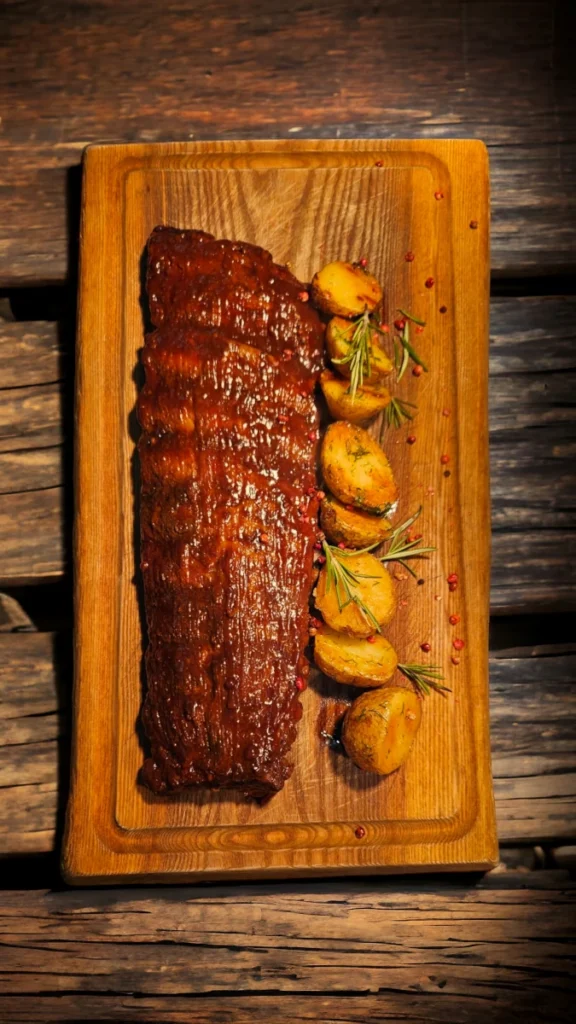
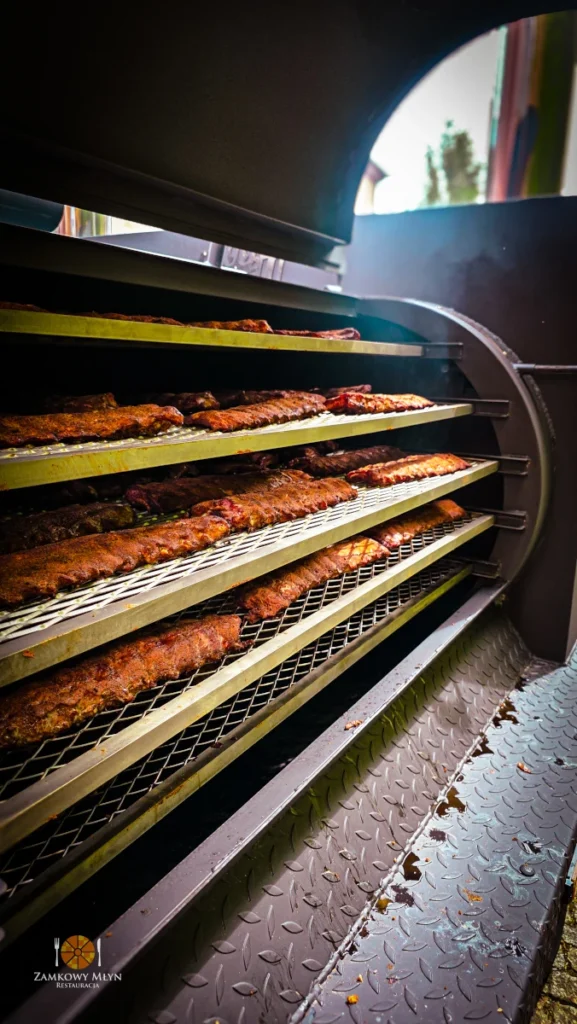
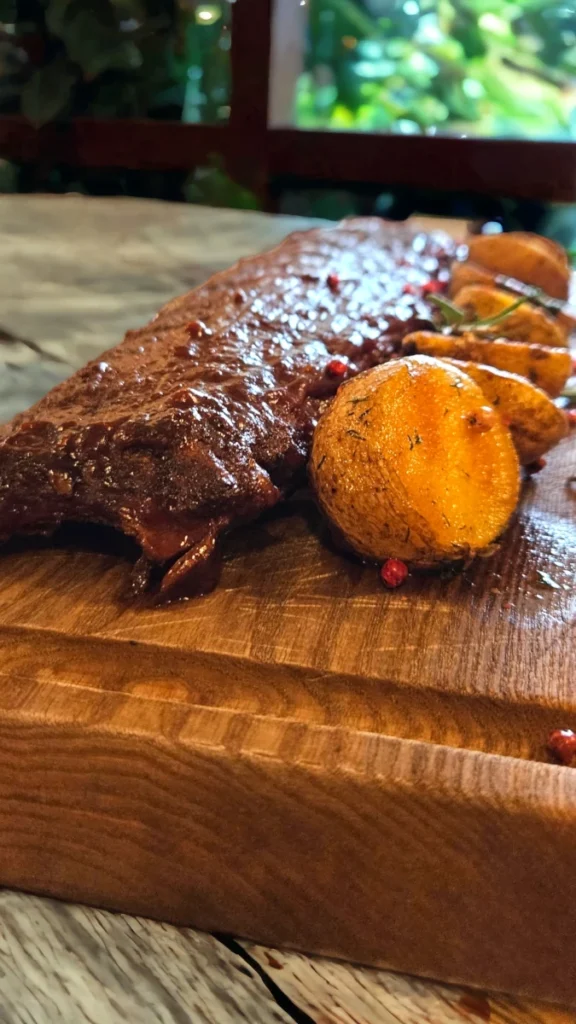
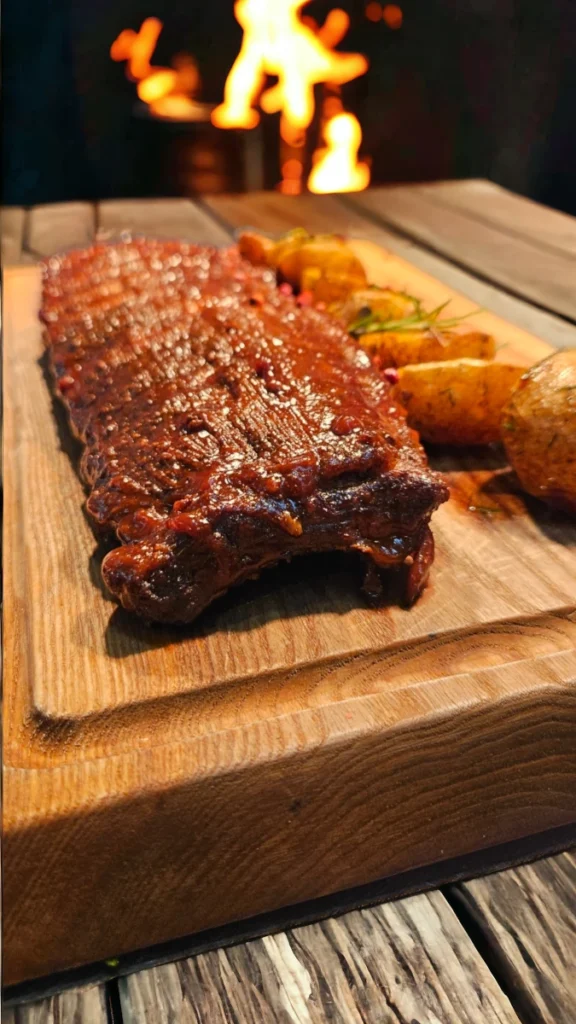
W świecie gastronomii istnieją dania, które wymagają czegoś więcej niż tylko przepisu – wymagają czasu, cierpliwości i głębokiego zrozumienia praw fizyki oraz chemii, jakie zachodzą nad żarem. W Castle Mill Restaurant wierzymy, że idealne żeberka BBQ to nie przypadek, lecz efekt kulinarnym kunsztu, który czerpie bezpośrednio z kolebki tej tradycji: południowych stanów USA.
Zapraszamy Państwa do odkrycia tajemnicy naszych kultowych żeberek, które przez wielu smakoszy uznawane są za bezkonkurencyjne w całym regionie opolskim.
Filozofia „Low and Slow” – Cierpliwość, która smakuje
Prawdziwe amerykańskie barbecue, w odróżnieniu od szybkiego grillowania, opiera się na metodzie „Low and Slow”. To proces długotrwałej obróbki termicznej w niskiej temperaturze, która pozwala na powolny rozkład kolagenu w tkance łącznej mięsa. Efekt? Żeberka, które stają się niewiarygodnie kruche, soczyste i niemal same oddzielają się od kości.
W Zamkowym Młynie inspirujemy się standardami wyznaczanymi przez mistrzów z Teksasu czy Kansas City. Wiemy, że pośpiech jest wrogiem jakości. Nasze żeberka spędzają w piecach wiele godzin, aż osiągną idealną teksturę, którą w profesjonalnym żargonie BBQ określamy jako „tender to the bone”.
Klucz do sukcesu: Rub, Dym i Glazura
Proces tworzenia naszych żeberek zaczyna się na długo przed ich podaniem. Składa się on z trzech kluczowych etapów, które definiują ich wielowymiarowy profil smakowy:
Dry Rub (Sucha Marynata): Zanim mięso trafi do obróbki, pokrywamy je autorską mieszanką przypraw. Wzorując się na tradycjach z wielu stanów USA, stosujemy kompozycję, w której bazą jest papryka, brązowy cukier (dla idealnej karmelizacji), czosnek i wiele innych przypraw, stanowiących naszą tajemną recepturę. Rub tworzy na powierzchni mięsa tzw. bark – aromatyczną, ciemną „skórkę”, która jest esencją smaku BBQ.
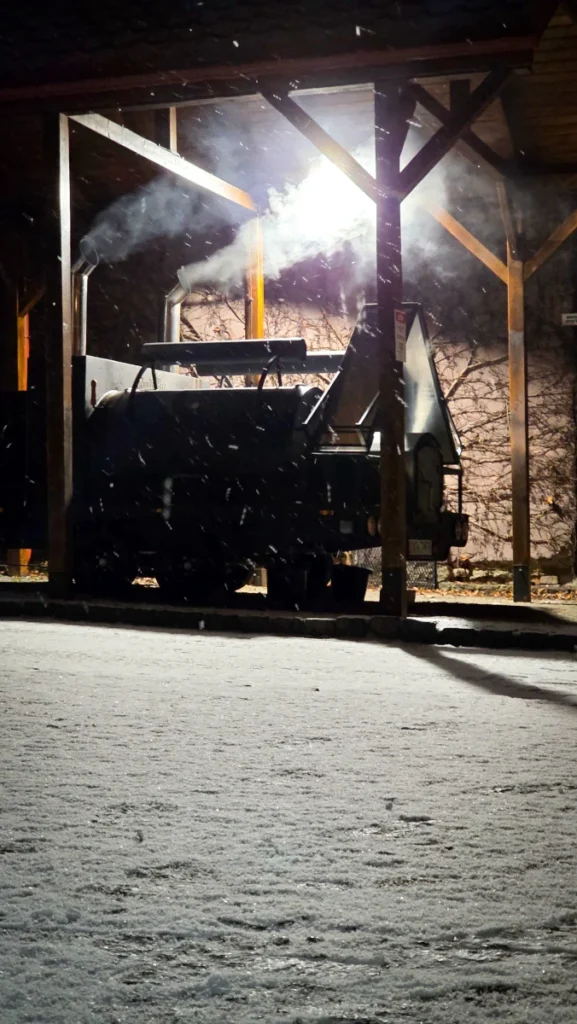
Aromat Dymu: Prawdziwe BBQ nie istnieje bez dymu. Wykorzystujemy wyselekcjonowane gatunki drewna liściastego (buk, olcha, a niekiedy drzewa owocowe), aby nadać mięsu szlachetny, dymny aromat. To właśnie dzięki temu procesowi w naszych żeberkach można zaobserwować tzw. smoke ring – różową obwódkę tuż pod powierzchnią mięsa, która jest certyfikatem autentyczności procesu wędzenia.
Finalna Glazura: Ostatnim etapem jest lakierowanie żeberek naszym autorskim sosem BBQ. Nasz sos to balans między słodyczą, kwasowością a dymnym finiszem. W wysokiej temperaturze sos ulega redukcji, tworząc lśniącą, lepką warstwę, która idealnie kontrastuje z kruchym wnętrzem.
Dlaczego Zamkowy Młyn?
Nasza restauracja to miejsce, gdzie historia Krapkowic spotyka się z nowoczesnym podejściem do rzemiosła kulinarnego. Zamkowy Młyn, mieszczący się w pieczołowicie odrestaurowanym obiekcie historycznym, to nie tylko restauracja – to przystań dla ludzi poszukujących autentyczności.
Choć nasze żeberka stały się już legendą Opolszczyzny, w naszej kuchni hołdujemy zasadzie slow food w każdym aspekcie. Korzystamy z produktów od lokalnych dostawców, dbając o to, by każda wizyta u nas była celebracją smaku. Niezależnie od tego, czy szukają Państwo miejsca na rodzinny obiad, czy profesjonalne spotkanie biznesowe, klimat naszych ceglanych wnętrz i zapach świeżo przyrządzanego mięsa tworzą atmosferę, której nie da się podrobić.
Zapraszamy na Ucztę
Nie wierzymy w drogę na skróty. Wierzymy w pasję, ogień i najlepszej jakości mięso. Jeśli chcą Państwo przekonać się, jak smakuje pasja mierzona godzinami spędzonymi przy piecu, nasze żeberka BBQ czekają.
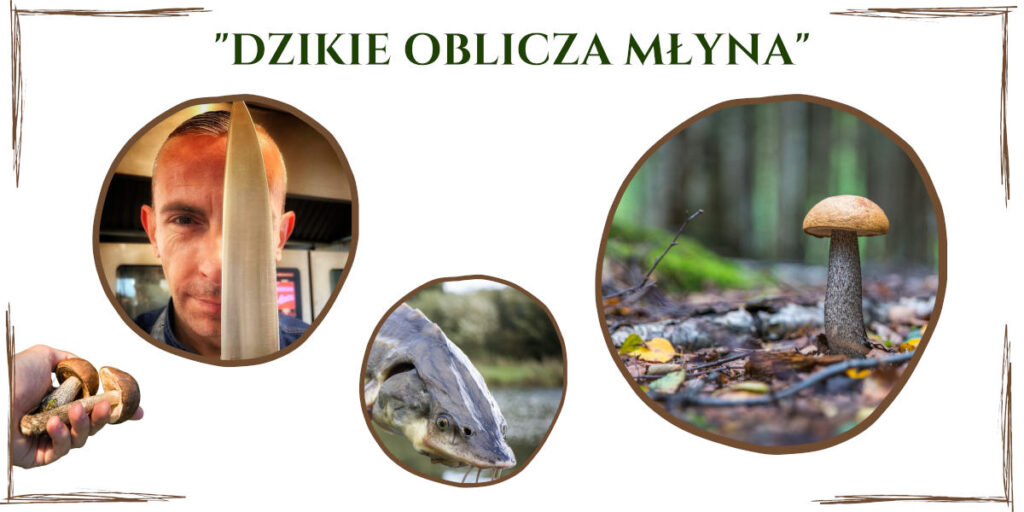
Once again, we have the opportunity to invite you to a tasting dinner. This time, under the theme "Wild Faces of Cuisine." Our Chef Arkadiusz Chwałek will be serving dishes including wild mushrooms, wild meat, and sturgeon from the best farms in Opole.
The price of the tasting dinner includes:
5 sets / 5 dishes (prepared live by our Chef Arkadiusz Chwałek)
We will serve you a tasting of 4 different wines paired with the dishes.
non-carbonated drinks throughout dinner
Tasting Dinner Menu "Wild Faces of the Mill"
Deer tenderloin / chanterelles / mayonnaise / juniper / other
On October 28, 2022 (Friday), we invite you to a concert unlike any other! For the first time at Zamkowy Młyn, you'll hear a fusion of funk, lounge, and reggae styles.
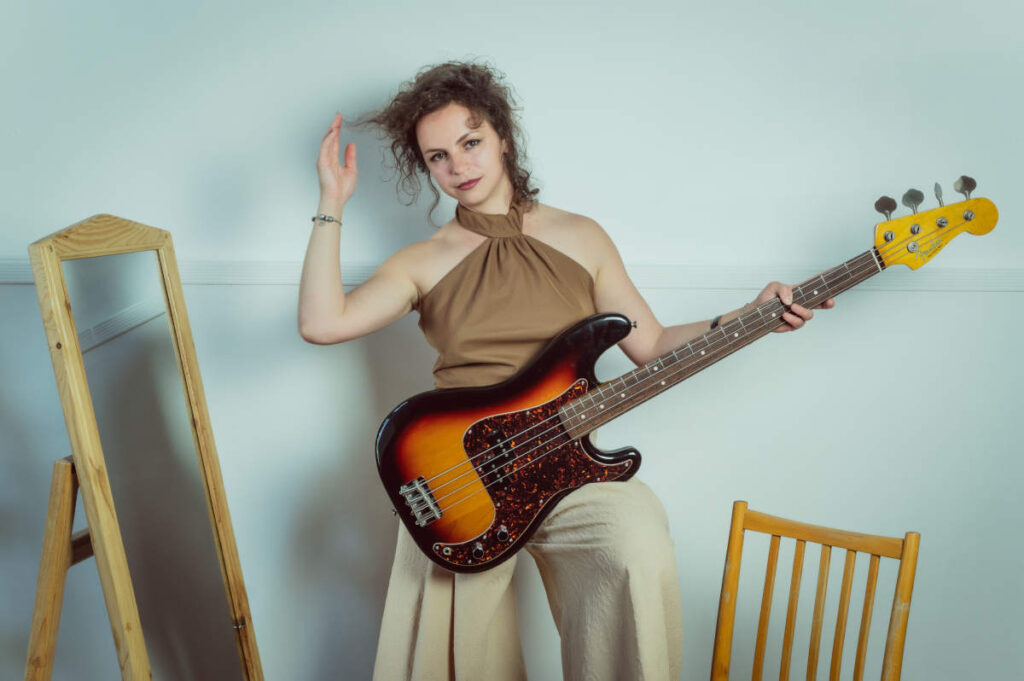
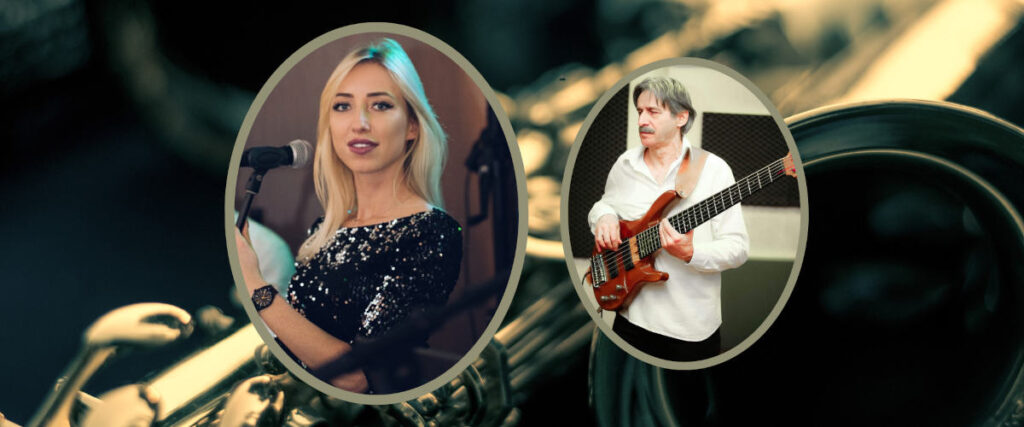
Afrodiziak Music - Natalia Korop
Natalia Korop is a Ukrainian artist from Kyiv. Together with musicians from Krapkowice (Piotr Słoński, Tomasz Burdzy), she creates a unique music they call Acoustic Beat, which combines funk, lounge, and reggae styles.
The lyrics touch the hearts of listeners, giving hope and strength to believe in the triumph of good. Natalia writes about her music: "It's like the freshness of a forest in the heart of cities, like the light of a crackling fire beneath the roar of highways, like an image you can listen to."
This will be the ultimate ball. Exceptional, top-notch live music at 100%. Delicious food and top-notch service! Check out the details of this extraordinary event.
New Year's Eve Ball - the best music
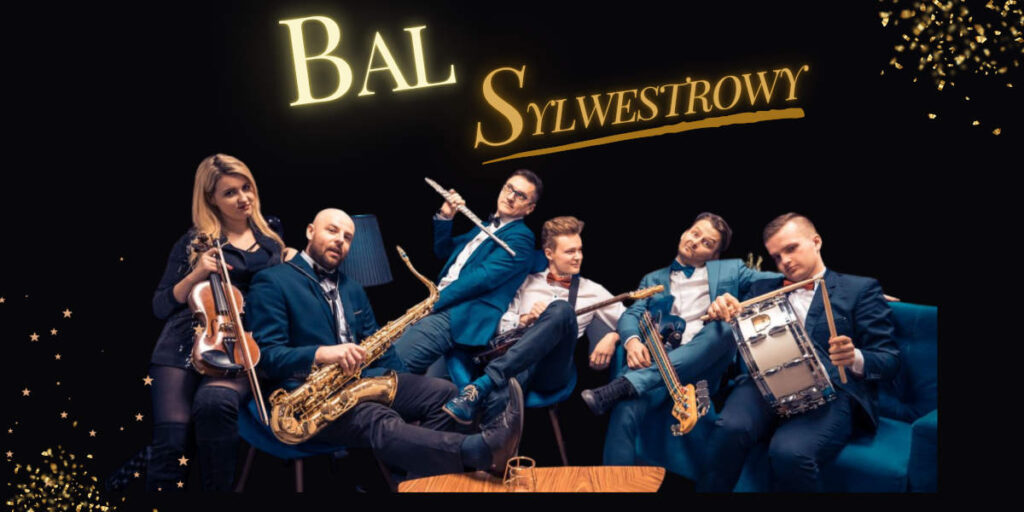
The best on board - the SURDUT team! This incredible sixsome is a volcano of energy and professionalism. As they say, "we're like a family, and playing is incredibly exciting to us all the time!" Add to that the fact that Surdut is a band comprised of professional musicians (more on that below), and their incredible energy and interaction with guests (you'll probably see them between your tables!), and we're sure this evening, this night, will be one to remember! It will be pure madness, performed with utmost professionalism!
SURDUT Team
The Surdut team consists of:
Ewelina- singing, flute, violin, percussion
A vocal coach and trainer of young vocalists, she has been on stage for 12 years and has performed alongside artists such as Ewa Bem, Adam Sztaba, Dave Weckl, and Mike Stern. She feels most comfortable with rock songs, but there's no style she won't tackle, and the end result always makes you want to return to her performances. She graduated from the Primary Music School in oboe and from the Youth Music Studio in vocals.
Kamil - saxophones, master of ceremonies, ewi, additional vocals
A graduate of the Grzegorz Fitelberg State Primary and Secondary Music School in Chorzów, he earned a diploma in saxophone performance. He is a member of the Big Silesian Band, Big Belfer Band, TG Big Band, and the Chorzów Entertainment Theatre, among others. His achievements include awards from music festivals in Poland and Europe, television appearances, and album recordings.
David - electro-acoustic and electric guitar, additional vocals
A graduate of the Primary Music School in guitar, he also completed a course in popular music on electric guitar. He has many years of experience in Big Band. He enjoys playing jazz, fusion, blues, and rock. He is a guitar student in the Jazz class.
Michael - keyboards, additional vocals
A graduate of the Academy of Music in Katowice, with a degree in Jazz and Popular Music, he is a teacher, chorister, and conductor of pop bands. He composes music for both film and pop. He collaborates with bands as a session musician and continually develops his skills at various conferences and seminars.
Dominic - drums and percussion
A graduate of jazz percussion studies, he is a complete enthusiast of his instrument, a true master of craftsmanship. Every rhythm he strikes is a poem and a powerful foundation for his bandmates.
His three priorities in life are: music, music, and more music. In performances, he accepts only strictly "live" versions, without the half-measures of backing tracks. If he could, he would lock himself in the studio forever. His heart beats to the rhythm of music, his thoughts are filled with various sounds, his emotions are scales and passages. He is the owner of a small recording studio in Opole, arranger, manager, and founder of the band.
A few words from us: When we saw them for the first time, among so many... we knew THIS was it! Their musical artistry and the right energy! Throughout the night, you'll hear and dance to the biggest Polish and international hits! And who knows, you might even sing along!
Mix of songs by Surdut - promotional video for our New Year's Eve Ball:
Menu - a little something about the culinary side of New Year's Eve at Zamkowy Młyn
Oh, there will be something going on here too, including:
Starter appetizer
Main course - a set of 4-5 meats served on boards and platters. BBQ meats (including iconic BBQ Ribs) and beloved standards such as confit duck leg or chicken breast roulade in black cumin
Appetizers (cold platters) - we guarantee it will be incredibly diverse and colorful! From our delicious cold cuts and roasts, to exquisite cheeses and unique finger foods.
Desserts and cakes (served and buffet)
Late warm dinner (2 pot dishes)
Beverages and alcohol included - Open Bar
Open Bar includes (unlimited): - Khortytsa Platinum Vodka (7 times filtered, 3rd place in terms of sales in the world, premium class) - Lobkowicz beer (draft) - Italian white and red wine - Non-carbonated drinks (water, juices) - Coffee and tea - Prosecco at midnight
Other alcoholic beverages, e.g. Whiskey, Rum and others, as well as carbonated drinks, e.g. Coca-Cola - available at the bar at attractive prices only during the New Year's Eve Ball.
Accommodation
Ball attendees have the option of overnight stays at our Zamkowy Młyn Hotel *** – standard rates, just for you. Space is limited! Please contact us by phone.
Transport:
If you need night transport from the ball to your home (and/or to the ball) - we encourage you to book a date/time by calling: +48 726 016 554 (Ms. Natalia Jakubów).
New Year's Eve Ball date and place:
Place: Two-level wedding hall, Zamkowy Młyn Date: December 31, 2022 Time. start at 7:00 p.m. (please arrive on time) - finish at approx. 3:30 a.m. Price: PLN 345 / person (PLN 690 / couple) Information:+48 535 414 799
Castle Mill and its history. Learn about the history of Castle Mill!
For younger residents of Krapkowice, the building at 3 Młyńska Street is primarily associated with the modern Zamkowy Młyn hotel and restaurant. Older residents, however, vividly remember the days when flour was still ground here. Read the story of the mill in Krapkowice's market square, whose history dates back to... the 13th century!
13th-15th centuries. The beginnings of Krapkowice and the establishment of the Lower Mill.
To tell the story of the Castle Mill, we must go back to the history of Krapkowice itself. The first mention of Chrapkowice (at that time) dates back to the 13th century, and in 1284 the settlement was granted town rights under Magdeburg Law. Although the exact date of the mill's construction is unknown, it is likely that it was built in the penultimate decade of the 13th century, on a par with the castle being built at that timeTogether with two other mills, it supplied the manor, the town, and the surrounding villages. Due to its location, The Castle Mill was also referred to as the Lower Mill.
To operate such a mill, one had to possess the appropriate experience and skills. As you might imagine, for decades to come, the mill at the Castle was operated by the best millers, who received substantial remuneration for their work, ensuring a high standard of living for their families.
16th-17th century. The Castle Mill in the "service" of the Emperor
Thanks to the Krapkowice urbarium (and the work of Johannes Chrząszcz), compiled at the behest of Prince George of Hohenzollern in the mid-16th century, it is possible to chart the efficiency of Krapkowice's mills. At the time, an urbarium was a book containing a list of a landowner's assets. It turned out that the millers from the Middle and Upper Mills were required to annually deliver 2.5 mandrat of rye flour to the prince, along with specific amounts of pigs and malt, while Gregor, the miller from the Lower (Castle) Mill, delivered 20 percent less flour. This may have been due to a privileged position, or it may have been related to the needs of the castle itself and its inhabitants.
During the period in question, Krapkowice was under imperial rule, then under burgher rule, and finally the city was returned to the emperor. As we know from the next urbarium, At the end of the 16th century, the emperor owned the Upper and Lower (Castle) mills. From 1582, Krapkowice belonged to the von Redern family, and from 1762 to the von Haugwitz family, and together with the town – the Castle Mill, which constantly fulfilled its essential function, supplying flour to the court and the inhabitants.
18th-19th centuries. The Salzbrunn era and the mill's time of great splendor.
The fate of the Castle Mill and its subsequent owners is unknown until the mid-18th century, when the lease rights to the mill were purchased by Franz Gniza, who sold the mill to Hans Georg Heptner in 1790. In 1806, a turning point came for the mill – its lease was sold to Lorenz Salzbrunn.At that time, the Castle Mill had two wheels—one for grinding flour and the other for cutting boards—as well as a press and a tannery. The mill was taken over in 1852 (until then, it had been held under a perpetual lease). From that point on, the new owners were obligated to pay an annual annuity to the count's manor for the next 56 years.
It's worth noting that the worn-out and heavily used mill was in increasingly poor condition. Its rightful owner, Karl Salzbrunn, undertook a thorough renovation in 1853, increasing its efficiency. In subsequent years, his income increased as the millers' influence grew. These were the mill's heyday, and the Salzbrunn family operated it for almost 150 years, until World War II.
The Salzbrunns soon became one of the wealthiest families in the area, acquiring further properties – a tenement house on Kościelna Street in Krapkowice, and probably owning shares in quarries and lime kilns. The next milestone in the development of the mill (and thus the Salzbrunn family) took place at the turn of the century, when Eugen Salzbrunn, just 21 years old, started managing the family business.
20th Century: Ominous Fire and the "Gracious" Second World War
The turn of the 19th and 20th centuries was a time of expansion and modernization of the mill, in which a modern turbine driven by a central shaft and a generator was installed, thanks to which the mill was the first power plant in KrapkowiceThe enterprising Eugen Salzbrunn, wanting to commemorate his contribution, placed a tin time capsule with the initials "ES 1889" under the foundations. The mill supplied electricity to several buildings located on Krapkowice's market square.
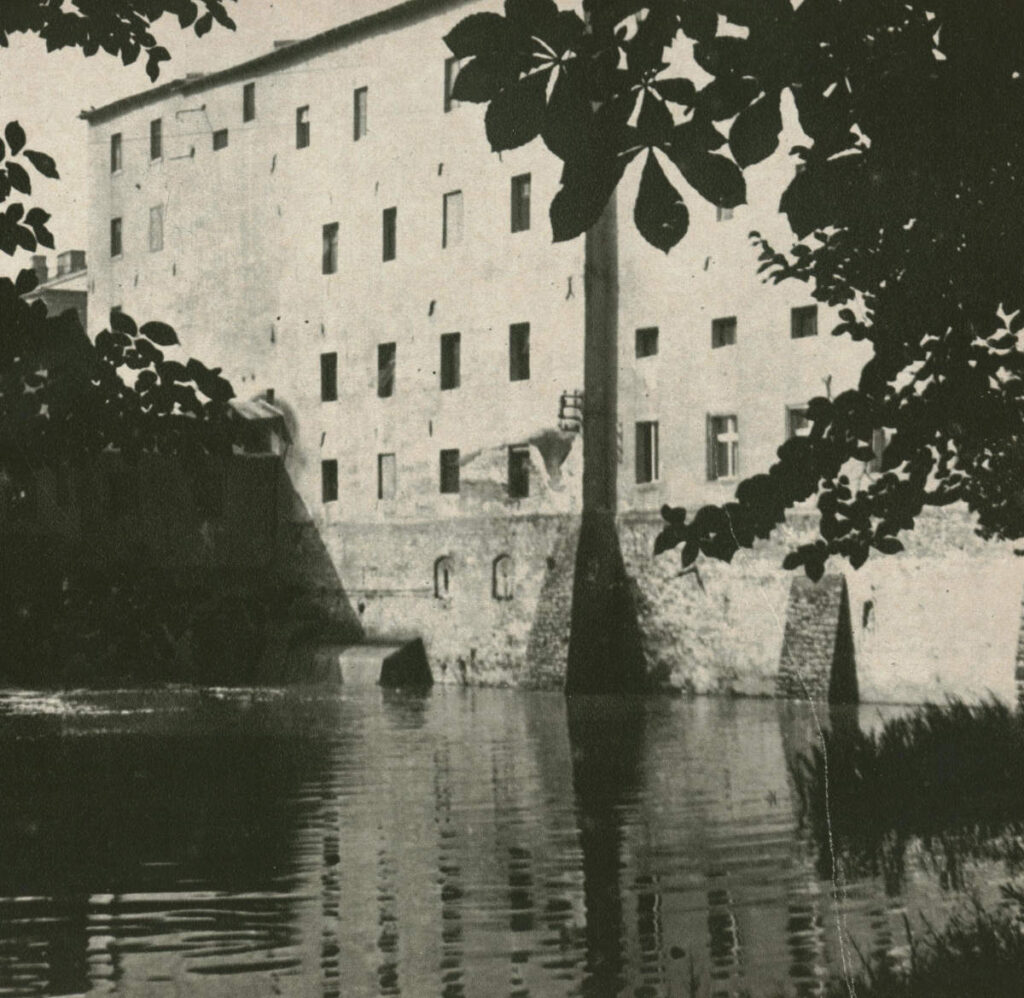
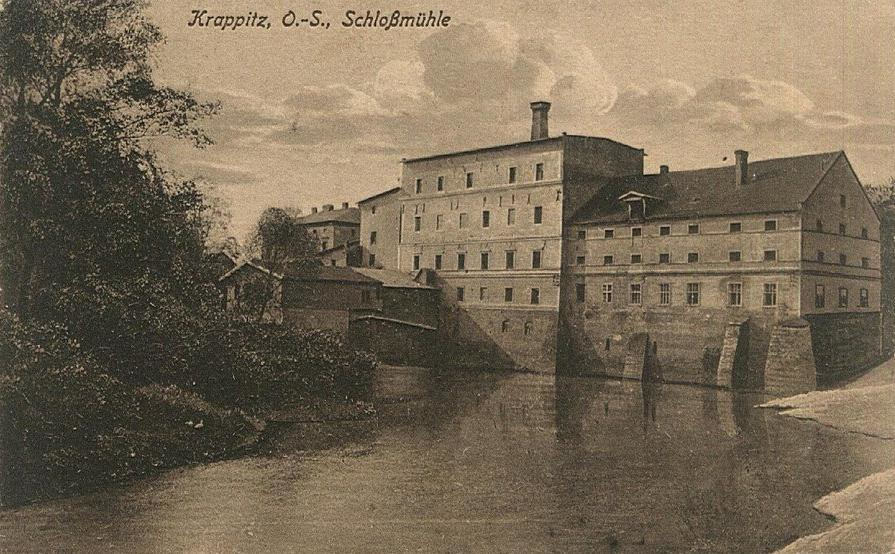
Castle Mill in the early years of the 20th century.
Shortly thereafter, a second generator was installed, and Eugen Salzbrunn became deeply involved in the lime industry, utilizing the new Opole–Strzelce Opolskie railway line. Both Salzbrunn and other entrepreneurs from Krapkowice were building kilns at the time, enabling the rebirth of the Tarnów limestone center.
Another renovation of the mill and its machinery took place in 1912. Despite the town of Krapkowice having its own municipal power plant, Salzbrunn was able to continue selling electricity and even increase production. It was not until Krapkowice was integrated into the national power grid in 1926 that the importance of Zamkowy Młyn as a power supplier diminished.
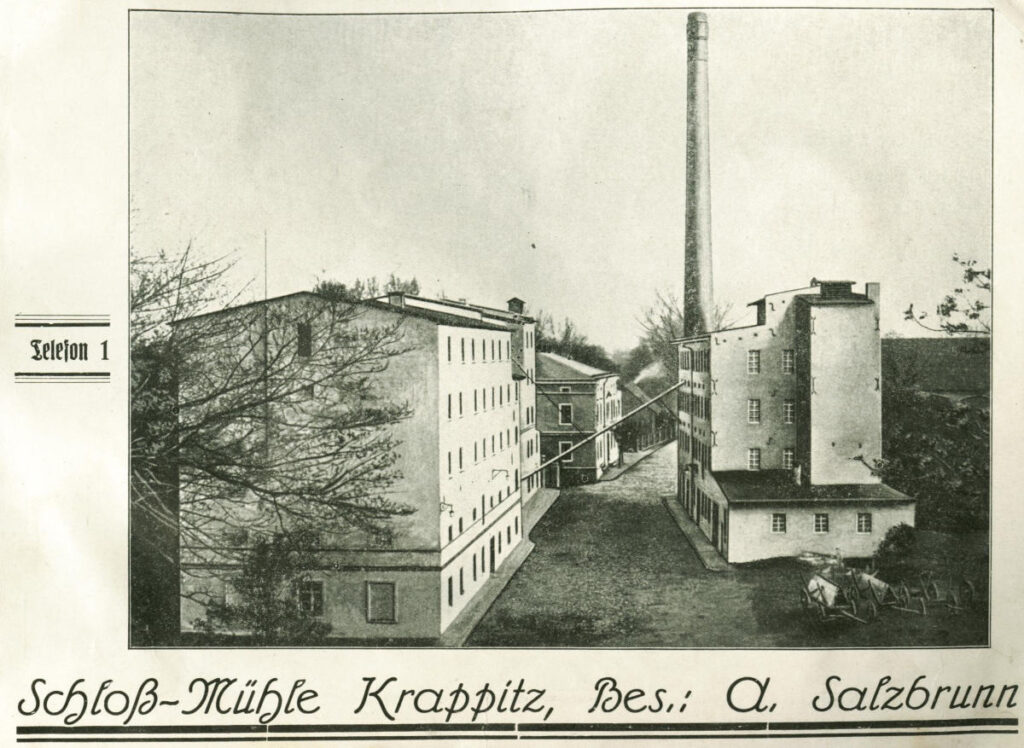
The fateful day for the history of the Castle Mill was March 8, 1923, when a great fire broke out. It destroyed the mill, the power plant, and the warehouse. With ample capital and insurance funds at its disposal, Salzbrunn rebuilt and modernized the mill before the end of the year.
A photo from around 1935 shows the rebuilt Castle Mill after the fire of 1923.
Eugen Salzbrunn died in October 1939, shortly after the outbreak of World War II. Having no son, he had already handed the company over to his son-in-law, Gunter von Stein, several years earlier. The bloody events of World War II turned out to be "kind" to the Castle MillDespite being directly on the front line at the beginning of 1945, no serious damage occurred. It was also one of the few plants in Krapkowice that was not looted by Red Army soldiers. Moreover, they restored the facility and handed it over to the Polish administration in good condition. As for the fate of the Salzbrunn family (and later the von Stein family), they had to evacuate to Germany before the war, and their property was nationalized.
21st Century: The Second Life of the Castle Mill
After the war, the Castle Mill was taken over by the State Grain Works in Brzeg, and although its technical condition left much to be desired, it continued to serve its essential purpose well into the 1990s. Immediately after the Mill's privatization, it stood empty for several years and fell into disrepair.
Fortunately, after a period of inactivity and decay, new owners were found for the building (the family company DELTA WGW Sp.j.), thanks to which this building, important for the history of Krapkowice, was given a "second life." After a thorough renovation and adaptation of the former mill, in 2011 a well-known and popular mill was built there in the region. Hotel Castle Mill along with Zamkowy Młyn Restaurant, which set itself the goal of welcoming not only hotel guests but also guests from across the region and further afield. Thus began a new story, one we continue to create today.
The article was based on own materials provided by local historians and on an article in the local weekly "Nowiny Krapkowice".
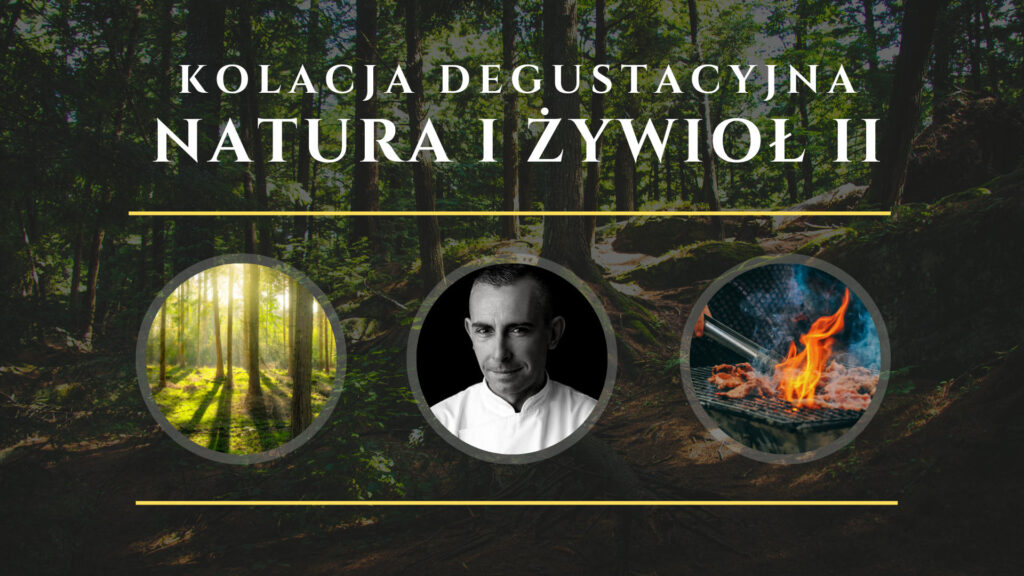
Nature and Element Tasting Dinner, 2nd Edition
On August 19, 2022, we invite you to the second edition of the "Nature and the Elements" tasting dinner. During the dinner, we will reach for what our grandparents used: fire, smoke, and the finest natural products, including those from the forest.
The price of the tasting dinner includes:
5 sets / 5 dishes (prepared live by our Chef Arkadiusz Chwałek)
We will serve you a tasting of 4 different wines paired with the dishes.
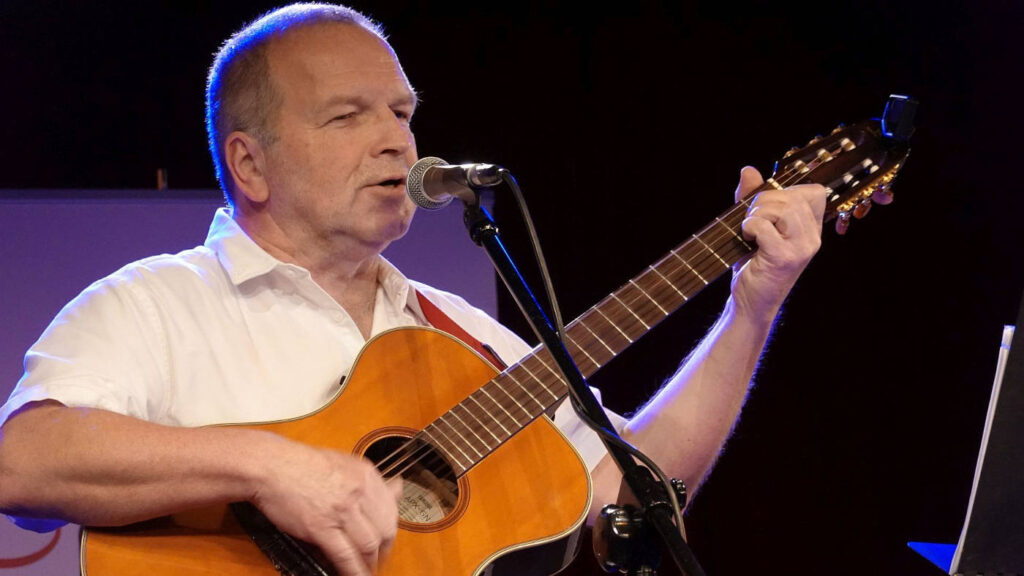
The entire dinner will be enhanced by the amazing voice of Angelika Kiernicka and the guitar of Ryszard Czeczel
Price: 175 PLN / person Date: August 19, 2022 (Friday) Time: 19.00 Place: The garden behind the Studnia Gallery in the Castle Mill Krapkowice (weather permitting) or the lower restaurant hall (in case of bad weather)
On June 3 (Friday), we have the pleasure of inviting you to a concert by Piotr Bakal, poet, bard, author, composer and singer.
Piotr Bakal
He creates engaging songs and lyrical ballads. In his lyrics, he speaks about himself and the world around him. Love, freedom, transience, an affirmation of life, a critical distance from the surrounding reality, and a delight in nature – these are universal messages conveyed simply, in a recognizable, warm, soft, yet masculine voice.
His compositions are decidedly melodic. Songs like "Być Może Raz" and, above all, "Ballad in E Minor" are simply singable. While a reflective, lyrical tone predominates, there's plenty of dynamic rock (the French-language "Terminus"), and pulsating rhythms and phrases reminiscent of jazz.
He has released six albums: "Clouds" (Warner Music Poland 1997), "Multiplying Zeros" (SLM "Ballada" and Polish Radio SA 2002), "From Word to Word" (SLM "Ballada" 2013), the French-language "Fais gaffe aux paroles" (Piotr Bakal 2017), "nie tylko LATO Z MARAMI" (not only LATO Z MOMARAMI) (SLM "Ballada" 2019) and "Było, co było" (SLM "Ballada" 2020). Since 2000, he has been a member of the authorities of the Union of Polish Authors and Composers ZAKR. From 1987 to 1993 he lived and gave concerts in France. In 2021, he celebrated the 45th anniversary of his artistic activity. In 2017, he was awarded the silver medal "For Merit to Culture Gloria Artis", and in 2021 the Silver Cross of Merit.
For three years (1985-1987) he was the author of the weekly broadcast of Polish Radio Program 3 "Śpiewać Poezji".
He participated in several French song festivals (Printemps de Bourges '88, Journées Internationales Georges Brassens '89 in Sete and others). He worked in Radio Solidarity in Paris.
In 2017 he was honored ZAIKS Authors' Association Award - for popularizing Polish entertainment and by Ministry of Culture and National Heritage Silver Medal for Merit to Culture - Gloria ArtisIn 2021 President of the Republic of Poland gave him Silver Cross of Merit for "merits for Polish culture".
Opole beef roulade - in the heart of the Opole region
A delicious appearance, an inviting aroma, and a delicious flavor – this Opole beef roulade satisfies several senses simultaneously. Prepared according to a traditional recipe, as we use at our restaurant in Krapkowice, it will surely provide a unique taste experience for every fan of regional cuisine. But let's start from the beginning...
Restaurant & Hotel Krapkowice - Zamkowy Młyn is a place where, in addition to a pleasant time, you can also count on a satisfying taste experience. Opole roulade is a traditional dish that holds a special place on our menu. Opole beef roulade Our restaurant simply couldn't miss it, as it's a dish included on the list of traditional products of the Opole Voivodeship. Learn about its history, and then check the distance to our restaurant. The Opole Voivodeship invites you to a feast!
Opole beef roulade - what does this name mean?
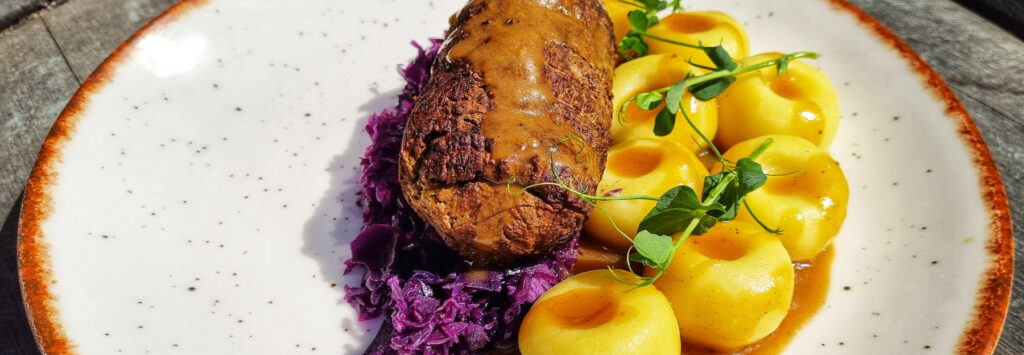
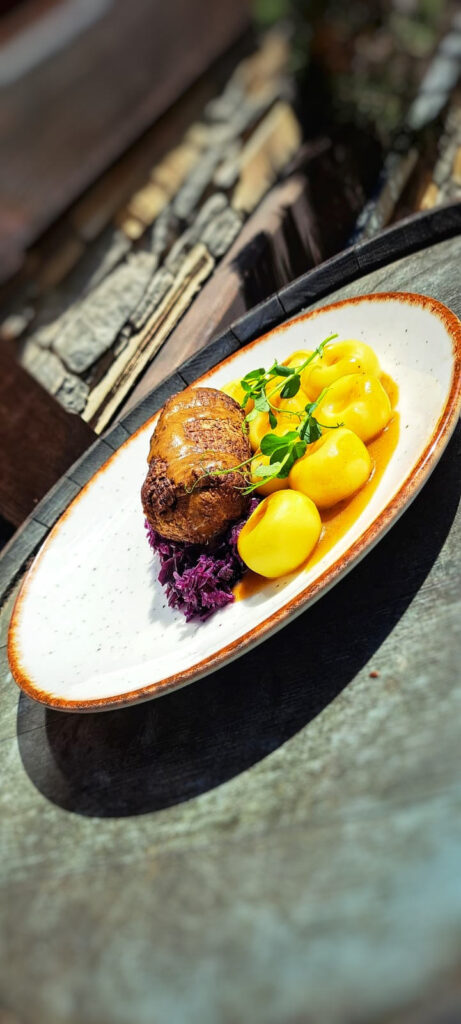
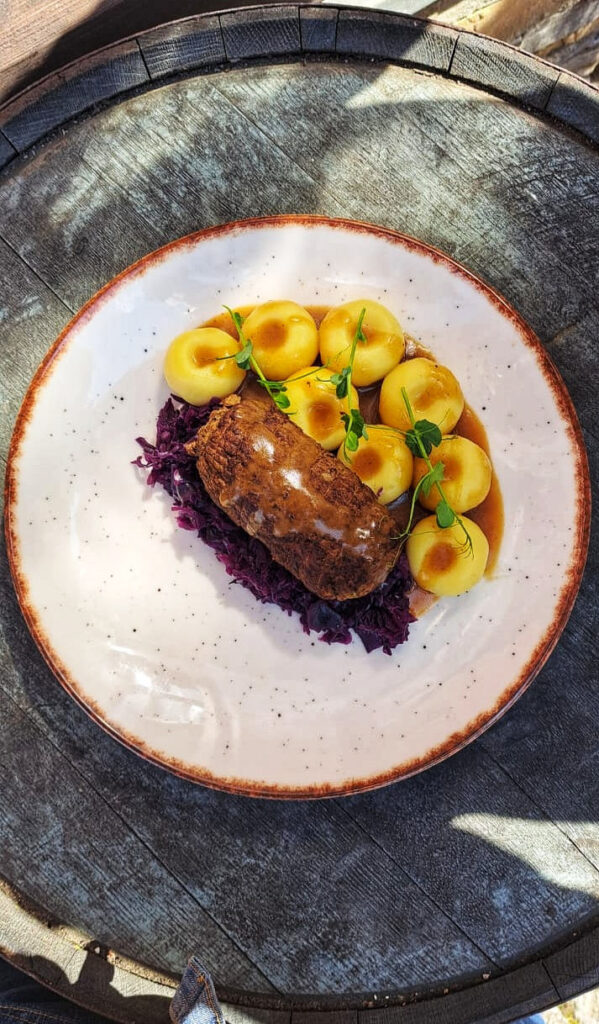
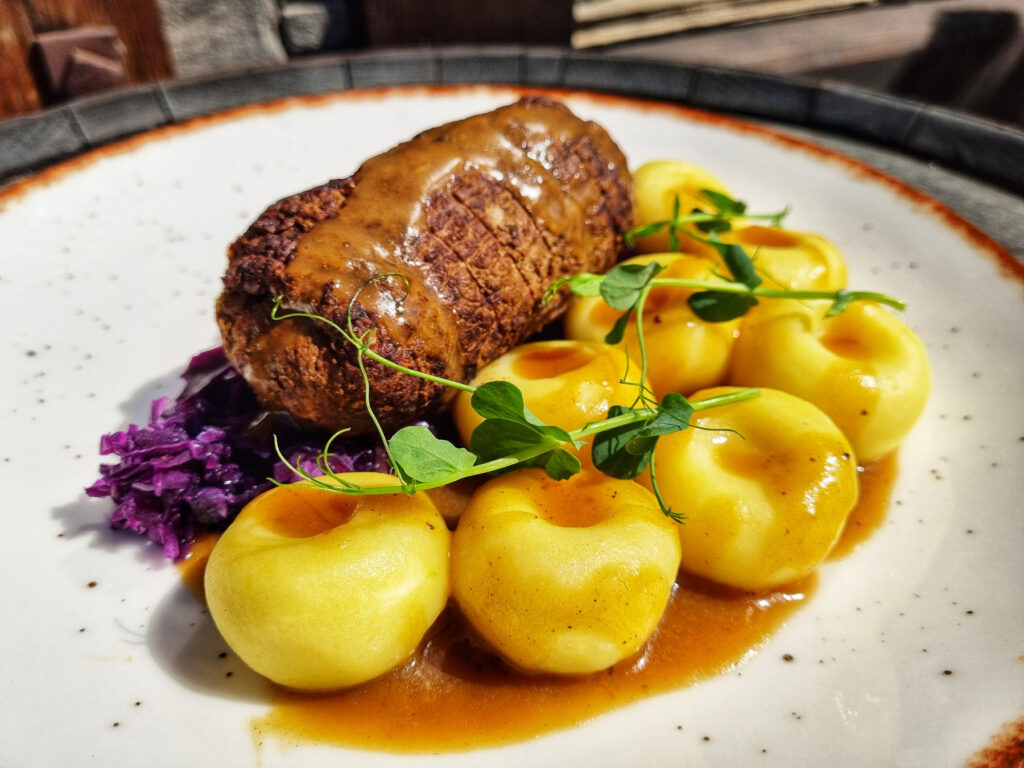
The traditional Opole roulade is a beef steak combined with a pickled cucumber and a thin slice of pink bacon. Begin preparing this aromatic dish by placing the bacon and cucumber on top of the beef and rolling it into a small roulade. Each portion resembles a small cylinder, its length depending on the size of the meat, typically around 15 cm. It tastes best paired with a fresh vegetable salad and oven-baked potatoes or classic Silesian dumplings. Anyone who has tried this dish will return to it again and again!
Opole roulade and its history
Silesian meat roulades are also known as zrazy. They are considered not only Polish dishes, but even... Mickiewiczian ones. Yes! Our Polish bard delighted in the taste of these meat dishes, as described in his work "Pan Tadeusz, or the Last Foray in Lithuania," writing: "Finally, the zrazy were brought in for the last course; such was the breakfast at the Judge's house." This is not a mistake – beef roulades were eaten for a late breakfast at the time. As Mickiewicz wrote, the roulades were served last during the feast, effectively emphasizing the importance of this dish. In Silesia, Opole beef roulades were eaten primarily on festive days – Sundays and holidays. It's worth emphasizing that in Poland, especially in the southern regions, traditional Opole beef roulades are still prepared and served with Silesian dumplings and red cabbage for Sunday dinner, baptisms, weddings, or other important occasions.
How was a traditional beef roulade prepared?
In the past, Sunday dinner preparation began on Saturday, when a vegetable broth was simmered. Fresh beef was then pounded into thin slices and spread with mustard. A piece of smoked bacon and a pickled cucumber were wrapped inside. After seasoning everything with pepper and salt, the Opole roulade was rolled up and tied with string to prevent it from falling apart during cooking. Nowadays, in Polish cuisine, beef roulades or zrazy are prepared in quite a variety of ways. The stuffing and the broth can be made with different ingredients, according to individual recipes. Nevertheless, such meat is always juicy and flavorful, making both the Opole roulade and other types of zrazy enduringly popular among lovers of Polish cuisine.
A true delight awaits you at the restaurant in Krapkowice!
Where can you taste Opole beef roulade prepared in a traditional way? Castle Mill Restaurant Krapkowice This is a place where tradition meets modernity. Our cuisine includes dishes known for generations, as well as delicious contemporary dishes and snacks.
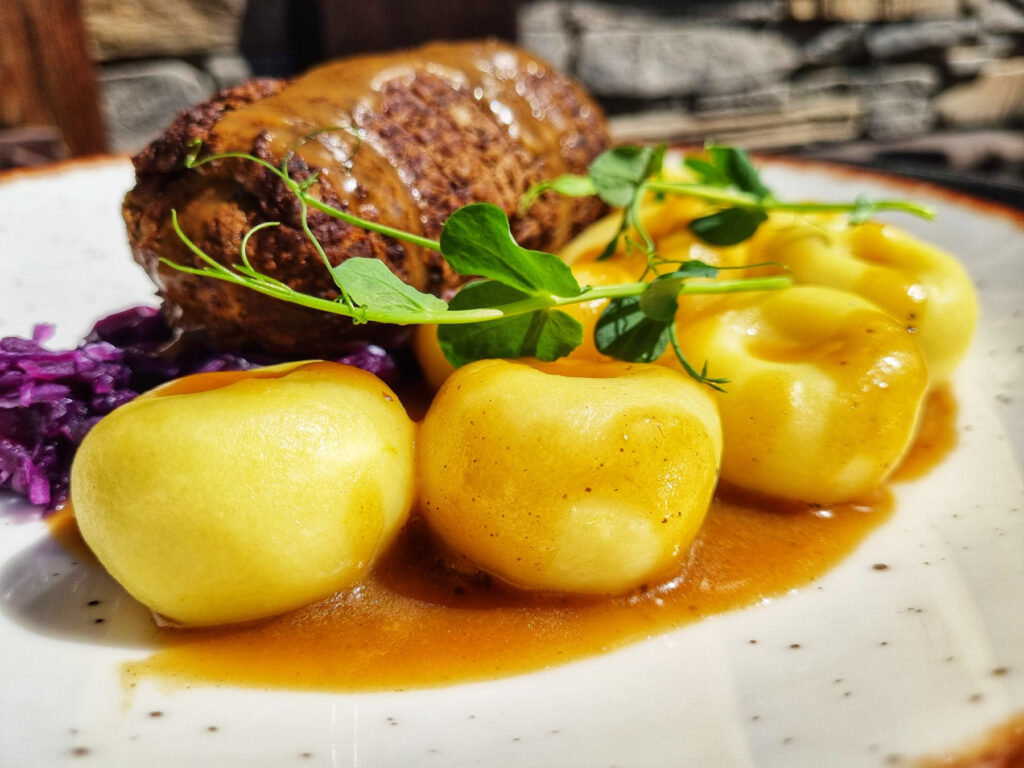
The Opole beef roulade was added to the list of traditional products of the Opole Voivodeship in January 2017. For this reason, it holds a place of honor on our menu. When ready to serve, the roulade takes on a light brown or bronze color. Thin slices of roasted meat shimmer with shades of delicate pink. This is due to the bacon covered in delicate fat. The whole thing is juicy and has a firm consistency. the beef comes from a local supplier, thanks to which we can ensure the highest quality of the roulade, which distinguishes us from many other places serving it.
Wondering what flavor you can expect? Roast beef is always juicy, slightly tender, and delicate at the same time. Smoked bacon further enhances its flavor. The whole thing is offset by the acidity of crisp cucumber with a hint of mustard.
Opole beef roulade served with Silesian dumplings and red cabbage is a traditional Silesian dish. Opole restaurants They often have it on their menu, so our restaurant in Krapkowice couldn't be without this dish. We invite you to try this delicious dish! We're waiting for you!
Concert - Piotr Jurkowski and Michał Gołąb
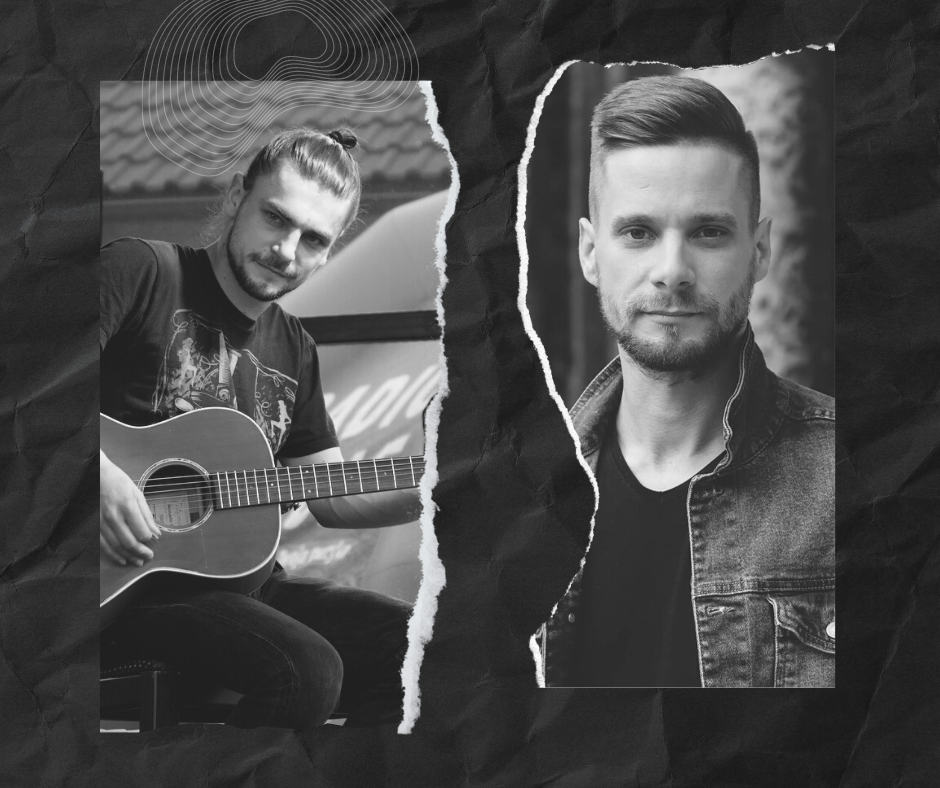
The duo Piotr Jurkowski and Michał Gołąb - a duo performing many popular songs that will make this evening truly special.
Piotr Jurkowski
Opole representative in the Debuts competition at the Polish Song Festival in Opole in 2013. Vocalist of the Opole Gospel Choir, Opole Swing Choir, the SEN band, and a soloist inviting various musicians to collaborate.
Michał Gołąb
An outstanding guitarist from Opole, member of many bands, to name just a few: Pop Marley and RAVEL, and creating acoustic duets with Marta Sobolewska and Michał Warmuzek, among others.